Sex After Menopause: What Actually Helps
Menopause gets talked about mostly in terms of what it takes away. What’s missing from most of that conversation is any real explanation of what’s happening physically, or what you can actually do about it. So here’s the practical version: sex after menopause can be just as good as before, sometimes better, once you understand that the mechanics have changed and adjust for that rather than pushing through as if nothing’s different.
What’s Actually Changing In Your Body
Falling oestrogen thins vaginal tissue, reduces its elasticity, and cuts down on natural lubrication. Doctors bundle these symptoms together under the term genitourinary syndrome of menopause, or GSM. Blood flow to the area also drops, which is why arousal often takes longer to build than it used to, and why sensation can feel different from what you’re used to. Separately, plenty of people notice their spontaneous desire dip too, though this varies a lot from person to person and isn’t universal.
Slower Doesn’t Mean Gone
A slower physical response, or less natural lubrication, doesn’t mean your desire has disappeared. It means your body now needs more direct input to get to the same place. Mixing up “this takes longer” with “I’m just not interested any more” is one of the more damaging misreadings of menopausal sex, and it affects both the person going through it and any partner trying to make sense of the change.
What Genuinely Helps
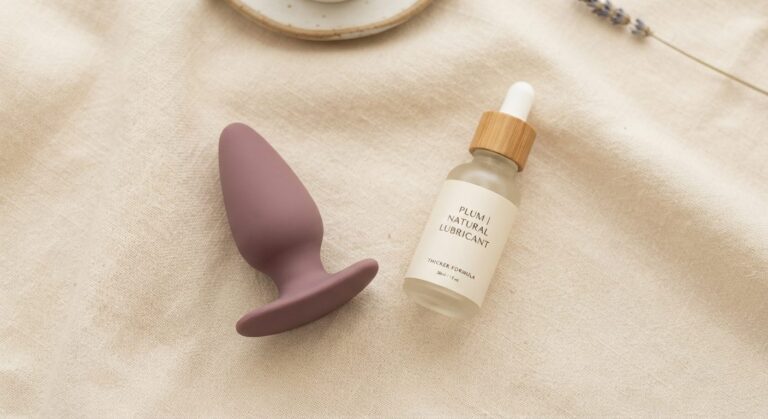
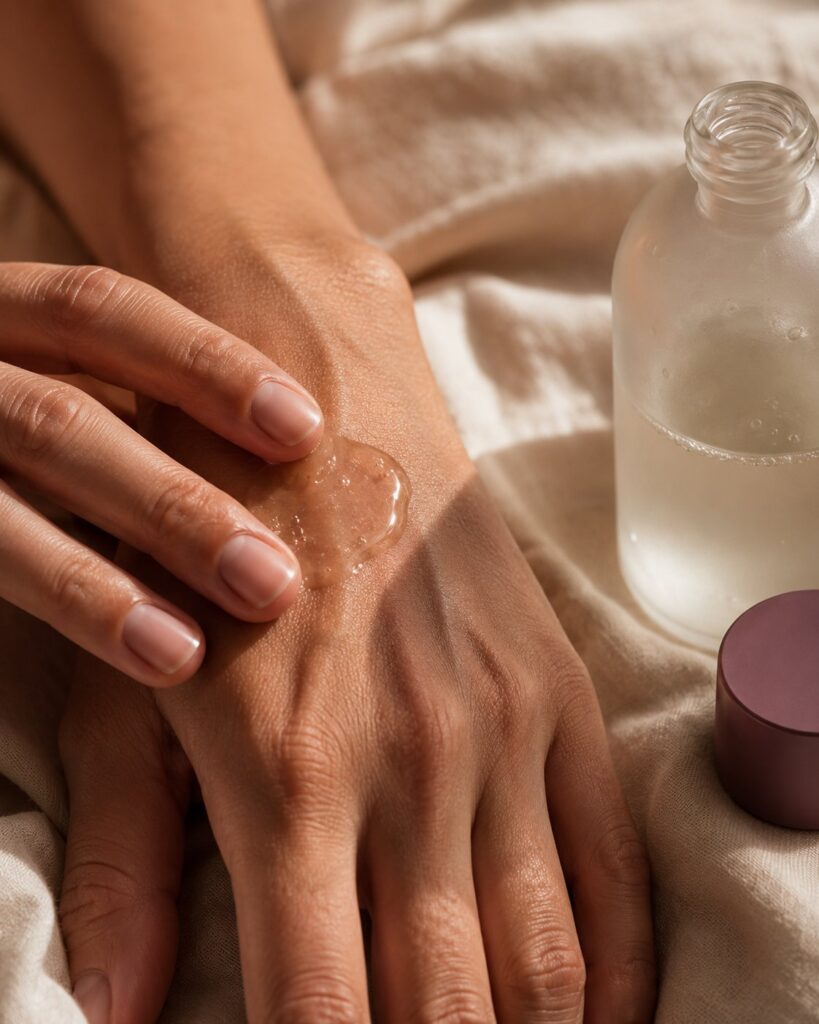
A good lubricant, used properly. This is the easiest change with the biggest payoff. Silicone-based or hybrid lubricants last longer than water-based ones, which matters more here since the issue isn’t a one-off dry patch but reduced natural lubrication generally. Our full lubricant guide covers the types and what to check on the label.
Local vaginal oestrogen. This is different from systemic HRT and treats the tissue directly. It’s considered very low risk, and many people who can’t take systemic HRT can still use it. Worth a proper conversation with your GP rather than guessing your way through a pharmacy shelf.
More time and more direct stimulation. Because arousal builds more slowly now, the foreplay that used to feel optional often becomes genuinely necessary. That’s not a lesser version of sex. It’s what your current physiology actually needs to get where it’s going.
Vibrators and other toys. Consistent added stimulation compensates well for reduced blood flow and a slower build-up. Our guide on toys for menopause goes into what’s actually worth looking for.
Pelvic floor work. A responsive pelvic floor supports blood flow and can improve both comfort and the intensity of orgasm. Worth doing regardless of where you are in the process.

How To Talk To A Partner About It
Naming the physical changes directly tends to land far better than either of you quietly assuming something’s wrong. Something as simple as “I need more time and more lubricant now, and that’s not about you” does more good than most couples give it credit for. Most of the tension around menopausal sex comes from things left unsaid, not from the physical changes themselves.
When It’s Worth Seeing A Doctor
If pain doesn’t ease up with lubricant and more time, if dryness is affecting your daily comfort and not just sex, or if your desire has dropped in a way that’s genuinely bothering you, it’s worth raising with a GP. Menopause care has moved a long way past “this is just what happens as you get older.” There are real, low-risk options available.
Common Questions
Does menopause mean the end of a good sex life?
No. It changes what your body needs to get there, more lubricant, more time, sometimes a local treatment, but it doesn’t take away your capacity for arousal or orgasm.
Is vaginal dryness from menopause treatable?
Yes, both in the moment with lubricant and at a deeper level with local vaginal oestrogen, which a GP can prescribe.
Does HRT help with libido specifically?
It can help indirectly, by improving energy, mood and sleep, and local oestrogen improves comfort directly. But HRT isn’t really a libido treatment on its own, and how much it helps varies from person to person.
Is it normal to need a lot more foreplay than before?
Very. A slower build to arousal is one of the best documented changes of menopause, and it reflects a physical shift rather than any loss of interest.
This guide is part of Wellnesty’s Sexual Wellness and Education series. This page contains affiliate links — see our affiliate disclosure for details.