Performance Anxiety: Breaking the Pressure Cycle
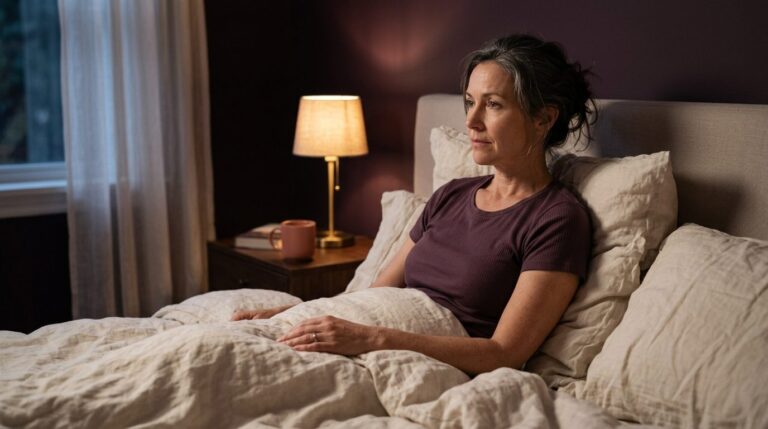
Few things undermine sex as reliably as worrying about sex. The moment your attention shifts from what you’re feeling to how you’re doing, arousal tends to slip, which fuels more worry — and a self-feeding loop sets in. Performance anxiety affects people of every gender, and it’s far more common than most people realise, precisely because nobody talks about it.
The good news is that because the problem is largely driven by attention and pressure, it responds well to changing how you approach sex rather than to “trying harder.” This guide explains the cycle and offers grounded ways to step out of it.
What Performance Anxiety Actually Is
At its core, performance anxiety is the body’s stress response showing up at the worst possible moment. When you feel under pressure, your system shifts into a state that’s the opposite of the relaxed, safe one arousal needs. Blood flow, focus and relaxation all move the wrong way.
It’s a headspace problem more than a body problem. That’s why someone can be perfectly capable on their own or in a relaxed moment, yet struggle when the stakes feel high. The body works fine; the pressure is what’s interfering.
How the Pressure Cycle Forms
Usually there’s a first time something didn’t go as hoped — often for an ordinary reason like tiredness, drink or stress. The worry that it might happen again then becomes the very thing that makes it happen again.
Spectatoring keeps it going. Watching and judging yourself during sex, as if from the outside, pulls you out of the sensations that actually build arousal. The more you monitor, the less you feel, and the anxiety is confirmed.
Easing the Pressure
Take the goal off the table. A lot of anxiety comes from treating one particular outcome — an erection, an orgasm, lasting a certain time — as pass-or-fail. Agreeing, even just with yourself, that closeness and pleasure are the point removes the exam.
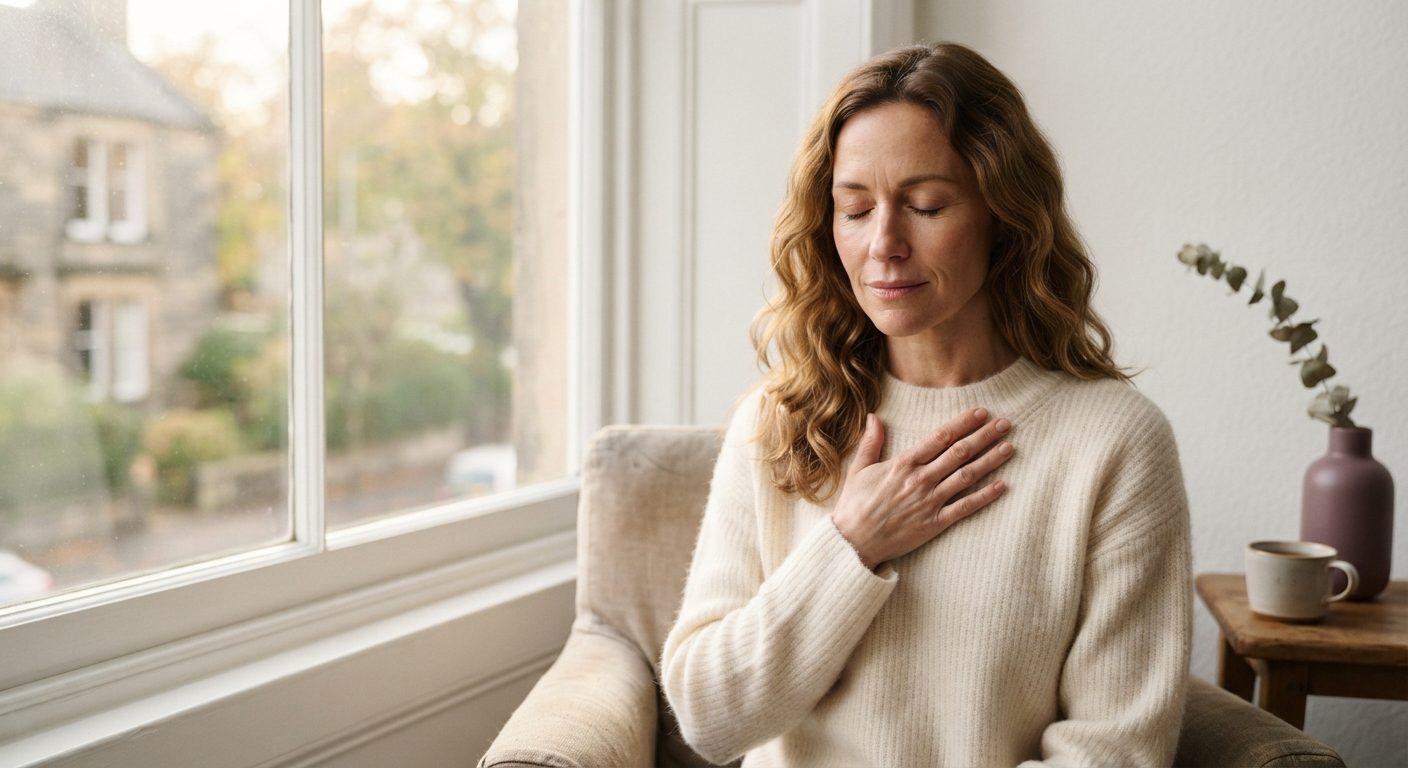
- Shift attention to the senses — touch, warmth, breathing — rather than to how you’re performing.
- Slow everything down; pressure thrives on rushing.
- Let there be room for sex to change direction or stop, without it counting as failure.
Reduce the obvious stressors. Tiredness, too much alcohol, and a stressful day all make anxiety worse. Sometimes the most effective fix is simply choosing a moment when you’re relaxed rather than depleted.
Talking to Your Partner
Silence makes performance anxiety worse, because your partner is left guessing and you’re left managing it alone. Naming it — simply, without drama — usually defuses a surprising amount of the pressure.
Say what’s happening and what helps. A partner who knows you’re in your head, not uninterested, can slow down and take the pressure off with you. Our guide to talking to your partner about sex has gentle ways to open that conversation if it feels awkward.
When to Seek Help
Occasional off nights are just being human. Persistent difficulty that’s distressing you, though, is worth a proper look.
See your GP if the problem is frequent and bothering you, especially if there’s been a clear physical change, as erectile or arousal difficulties can sometimes have a medical component worth checking. Consider a psychosexual therapist for a stuck anxiety cycle — this is one of the things they treat most successfully, and in the UK it’s widely available. Getting help early tends to break the loop faster.
Common Questions
Does performance anxiety only affect men?
No. It’s often talked about in terms of erections, but people of all genders experience it — as difficulty getting aroused, staying present, or reaching orgasm when they feel watched or judged.
Why can I be fine alone but not with a partner?
Because the issue is usually pressure and self-monitoring, not physical capability. On your own there’s no audience and no stakes, so arousal flows normally.
What is “spectatoring”?
It’s watching and evaluating yourself during sex rather than being in the experience. It’s a key driver of the anxiety cycle, because attention on performance crowds out the sensations that create arousal.
Will alcohol help me relax?
A little might take the edge off nerves, but more tends to make arousal and function worse, which can deepen the worry. It’s an unreliable fix at best.
How long does it take to get past it?
It varies. Many people improve quickly once they remove the pressure and stop treating sex as a test; a stubborn, long-standing cycle may benefit from a few sessions with a therapist.
Should I just avoid sex until I feel confident?
Avoidance usually feeds the anxiety rather than easing it. Low-pressure closeness with no particular goal is often the gentlest way back, because it rebuilds ease without the exam.
This guide is part of Wellnesty’s Sexual Wellness and Education series. Some links on Wellnesty are affiliate links, meaning we may earn a small commission if you buy through them, at no extra cost to you; it never changes what we recommend.