Best Lubricants UK: Water, Silicone and Hybrid
Lubricant is one of the simplest upgrades to comfort and pleasure, and yet the shelves are confusing: water-based, silicone, hybrid, warming, flavoured, and a wall of claims. The good news is that choosing well comes down to a few clear principles rather than trial and error.
This guide explains the main types, what each is best for, and the ingredients worth avoiding — so you can pick a lubricant that suits your body, your toys and what you’re doing with it.
The Three Main Types
Water-based is the versatile all-rounder. It’s safe with condoms and with all sex toys, easy to wash off, and widely tolerated. Its one drawback is that it can dry out and need reapplying, though a drop of water can often revive it.
Silicone-based is longer-lasting and very slippery, which makes it popular for longer sessions and for use in water. It’s condom-safe, but it can damage silicone toys, so the two shouldn’t be combined. It also takes a little more effort to wash off.
Hybrid lubricants blend water and silicone, aiming for longer glide than pure water-based while staying easier to clean than pure silicone. Check the label for toy compatibility, as formulations vary.
How to Choose for Your Situation
Match the lubricant to what you’re doing. The right choice depends on your toys, whether condoms are involved, and the kind of activity.
- Using silicone toys? Water-based is the safe default. Avoid silicone lubricant with silicone toys.
- Using condoms? Water-based and silicone are both fine; oil-based products are not, as oil can weaken latex.
- Want something long-lasting or for use in the shower? Silicone is hard to beat — just not with silicone toys.
- Prone to sensitivity? A plain, well-tolerated water-based formula is the gentlest starting point.
Our guide to types of lubricant goes deeper into how each behaves; this one is about actually picking a bottle.
Ingredients Worth Avoiding
Some common additives are more likely to cause irritation, particularly for people prone to it.
Be cautious with glycerin, strong fragrances and “tingling” or warming agents if you’re sensitive, as they can irritate or upset your natural balance. Skip flavoured or novelty lubes for regular internal use — they’re fine occasionally but not designed as everyday products. If in doubt, a plain formula with a short ingredient list is the safest bet.
Oil-based products deserve special care. Natural oils can feel nice for external massage, but they degrade latex condoms and can be harder for the body to clear internally, so they’re not a general-purpose choice.
A Note on Dryness
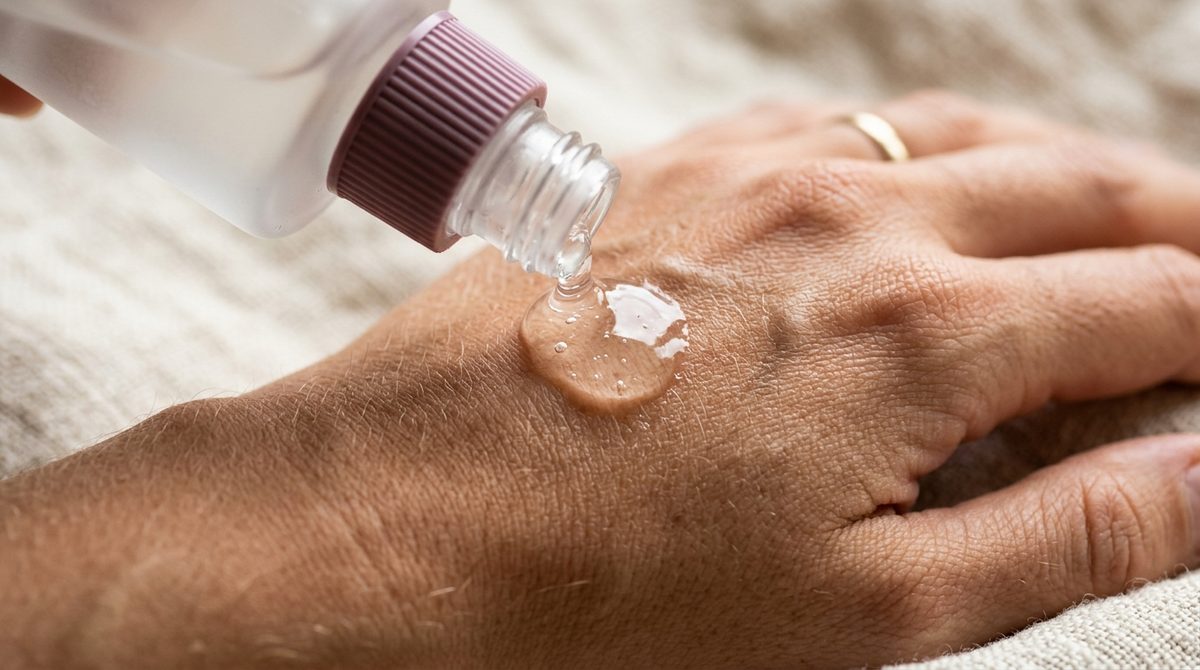
Reaching for lubricant is normal, not a red flag. Plenty of people use it simply because it makes things more comfortable and enjoyable, at every age. That said, if you’ve noticed persistent, unexplained dryness that’s bothering you, it’s worth a word with your GP, as it can occasionally have a medical cause worth addressing. Our guide to sex after menopause covers dryness in that specific context.
Buying in the UK
Buy from retailers that list full ingredients and ship discreetly. An established UK shop that’s transparent about what’s in the bottle makes it far easier to avoid irritants and choose something body-safe. Our guide to buying sex toys online in the UK covers discreet delivery and your consumer rights.
Common Questions
What’s the best all-round lubricant?
For most people, a plain water-based lubricant is the best default — it’s compatible with condoms and all toys, easy to clean, and widely tolerated. It’s the sensible first bottle to own.
Can I use silicone lubricant with my silicone toy?
No. Silicone lubricant can degrade the surface of silicone toys over time. Use water-based lubricant with silicone toys instead.
Is lubricant safe with condoms?
Water-based and silicone lubricants are condom-safe. Oil-based products are not, because oil can weaken latex and cause condoms to fail.
Are warming or tingling lubricants worth it?
Some people enjoy them, but the active ingredients can irritate sensitive skin. If you’re prone to irritation, a plain formula is safer; treat novelty lubes as occasional rather than everyday.
Why does my water-based lube dry out so fast?
That’s the main trade-off of water-based formulas. Reapplying, or adding a little water to reactivate it, usually solves it. If you want longer glide, a hybrid or silicone lube lasts longer.
Is needing lubricant a sign of a problem?
Usually not — many people use it purely for comfort and enjoyment. Only persistent, unexplained dryness that bothers you is worth raising with a GP.
This guide is part of Wellnesty’s Sexual Wellness and Education series. Some links on Wellnesty are affiliate links, meaning we may earn a small commission if you buy through them, at no extra cost to you; it never changes what we recommend.