
Body-Safe Sex Toys, Explained
Body-safe is one of those phrases that gets printed on packaging with almost no regulation behind it. There’s no single UK body that certifies a toy as body-safe, which means the label alone tells you very little. What actually matters is the material itself, and a handful of specific things worth checking before you buy.
What Body-Safe Actually Means
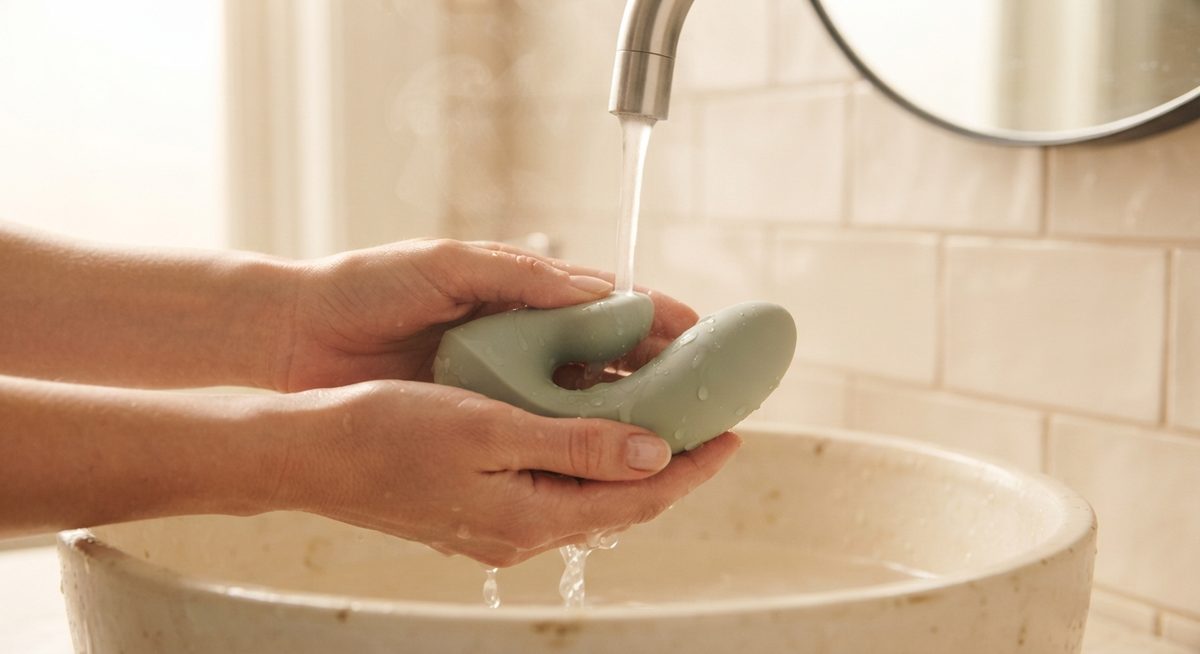
At its core, a body-safe material is non-porous, doesn’t leach chemicals into skin or mucous membranes, and can be properly cleaned between uses. Porous materials trap bacteria in microscopic gaps that no amount of washing fully removes, which is the main reason some very common, very cheap toy materials aren’t recommended for regular use.
Materials That Pass
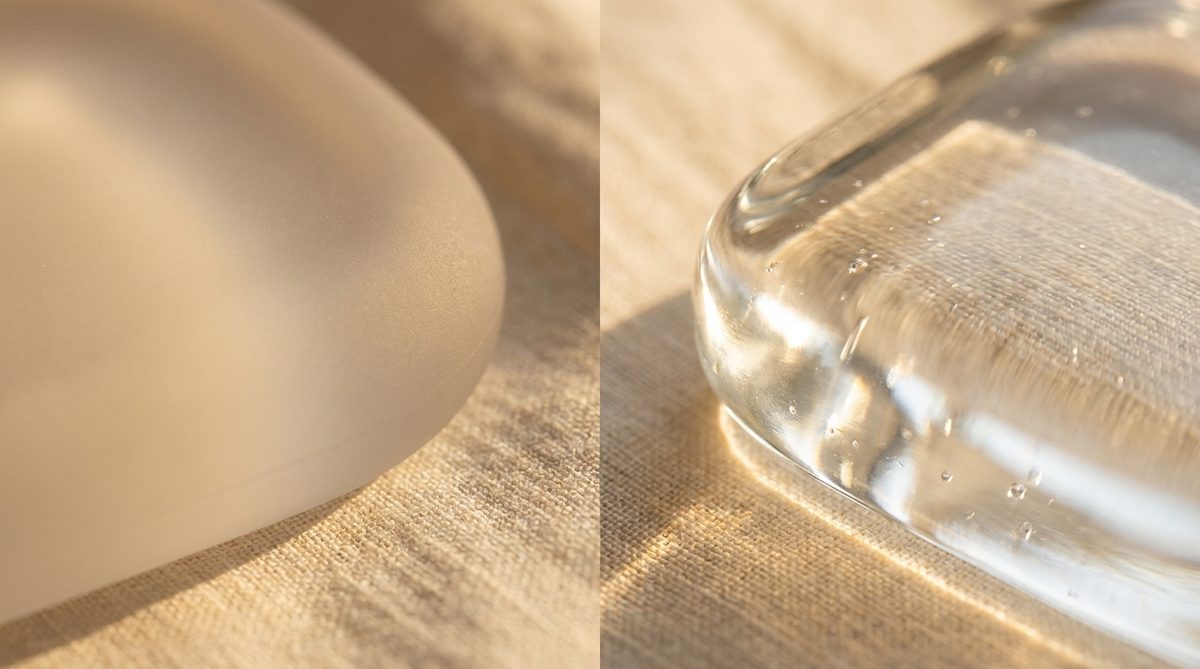
Medical-grade silicone. The standard for a reason. Non-porous, body temperature responsive, and easy to sterilise with warm water and mild soap, or fully boil for deeper cleaning if the toy has no motor.
ABS plastic. Hard, non-porous, and commonly used for the outer shell of vibrators with motors inside. Not flexible, but perfectly safe for skin contact.
Borosilicate glass. Non-porous, can be warmed or cooled, and can be sterilised at high temperatures. More fragile in the sense that it can chip or crack, so worth checking for damage before each use.
Stainless steel. Similarly non-porous and easy to fully sterilise, with the added benefit of being extremely durable.
Materials Worth Avoiding
Jelly rubber and PVC blends. Historically common in cheaper toys, often porous and sometimes containing phthalates, chemical softeners linked to health concerns with repeated exposure. If a toy feels slightly tacky or has a strong chemical smell out of the packet, that’s usually jelly rubber.
Unspecified “skin-safe” materials. If a listing doesn’t name the actual material, that’s worth treating as a red flag rather than reassurance. Reputable brands are specific about what their toys are made from.
What to Check Before Buying
- Is the material named specifically, not just described as body-safe or skin-safe.
- Is it phthalate-free, particularly for anything other than medical-grade silicone, ABS, glass or steel.
- Can it be fully cleaned, including whether it’s waterproof enough to clean properly around any motor.
- Does it have a smell out of the box. A strong chemical or rubber smell is often a sign of a lower-quality, more porous material.
Cleaning by Material
Silicone, ABS, glass and steel can generally be cleaned with warm water and a mild, unscented soap after each use. Toys without electronics can often be boiled briefly for a deeper clean. Always check the manufacturer’s specific guidance, since motorised toys need to stay away from full submersion unless explicitly rated as waterproof.
Common Questions
Is silicone always body-safe?
Medical-grade silicone is, but the term silicone blend can sometimes mean a mix with other materials. If a product just says silicone without further detail, it’s worth looking for more specifics from the brand.
Can porous toys be made safe with a condom?
Using a condom over a porous toy reduces risk during that use, but it doesn’t solve the underlying problem of bacteria trapped in the material over time. It’s a workaround, not a fix.
Why do some toys smell strange when new?
A noticeable chemical or rubbery smell often points to a lower-quality, more porous material. Body-safe materials like medical-grade silicone typically have little to no smell.
Does a higher price always mean a safer material?
Not automatically, but it’s a reasonable signal alongside checking the specific material named in the listing. Cheap, unspecified materials are the main pattern to watch for.
This guide is part of Wellnesty’s Sexual Wellness and Education series. See how we test for our full evaluation criteria.