Anal Play for Beginners: What to Know First
Anal play has a specific set of practical rules that make the difference between a genuinely good experience and an uncomfortable one, and most of the anxiety around trying it comes from not knowing those rules rather than anything inherently difficult about it.
The Basics That Actually Matter
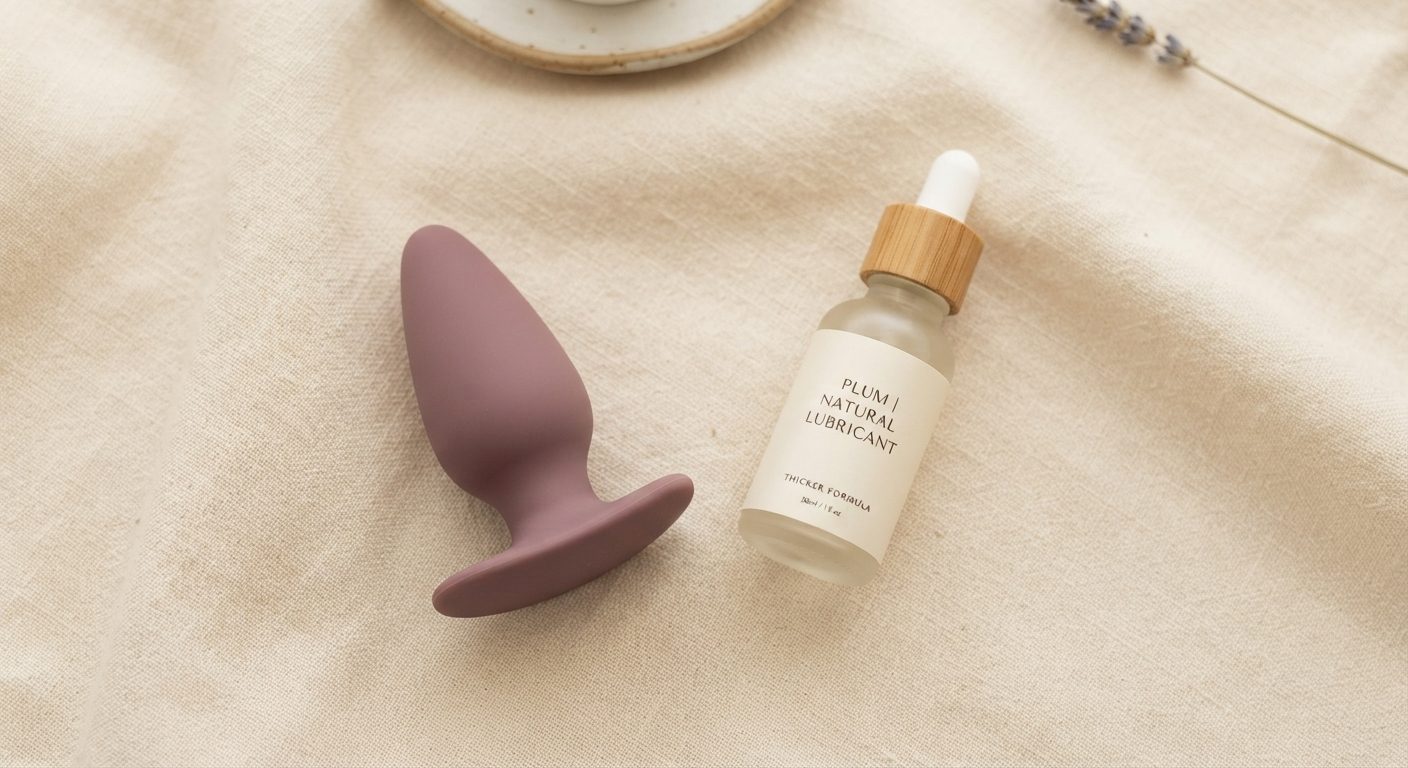
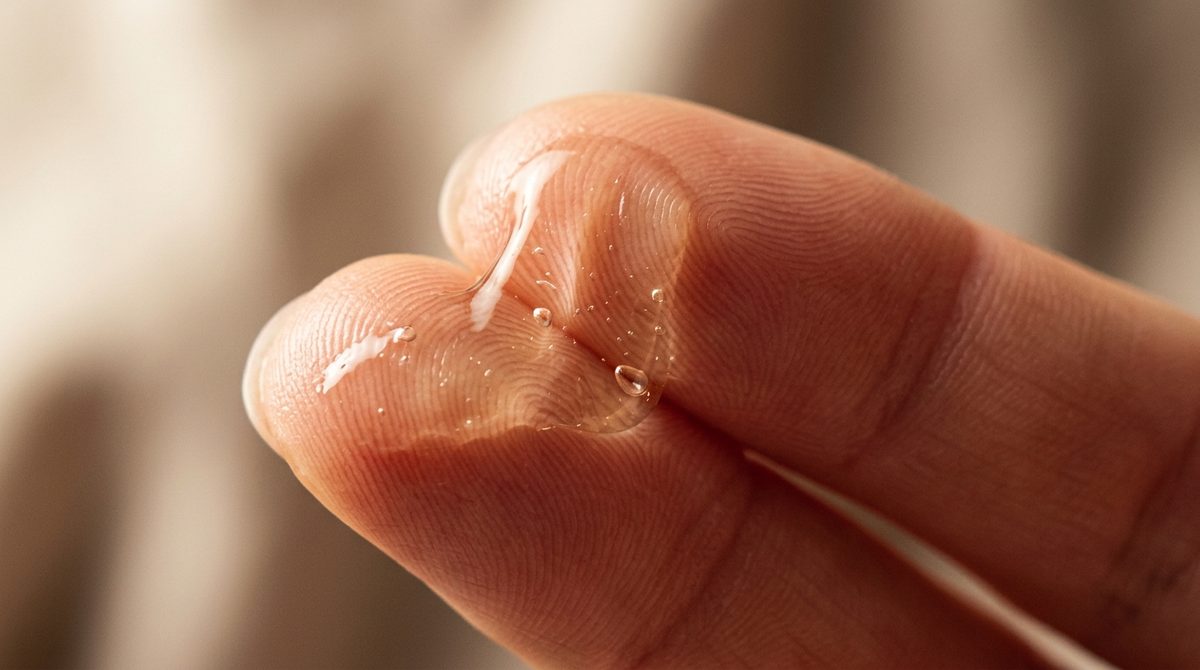
Lubricant isn’t optional here, it’s essential. Unlike other areas, the anus doesn’t produce its own lubrication, so a generous amount of lubricant is necessary every single time, not just for comfort but to avoid small tears. A thicker, longer-lasting formula, silicone-based or a specifically designed anal lubricant, tends to work better here than a thin water-based one.
Go slowly, and stop if it hurts. Discomfort is a sign to pause or stop, not something to push through. Genuine pain, as opposed to initial unfamiliar pressure, means something needs to change, whether that’s more lubricant, less pace, or stopping altogether for that session.
Anything used should have a flared base. This applies to any toy intended for anal use. Without a flared base, there’s a real risk of a toy becoming lodged too far in, which is avoidable entirely by choosing the right design from the start.
Choosing a First Toy
Small, tapered plugs or probes designed specifically for beginners are the sensible starting point, rather than anything borrowed from a different category of toy. Size should increase gradually if at all, not be the goal from the first attempt.
Firm, non-porous materials like medical-grade silicone or ABS are easiest to keep clean and safest for repeated use, which matters more here than for most other toy categories given the area involved.
Nothing that was used vaginally without thorough cleaning or a fresh condom. Bacteria naturally present in the anus can cause infections if introduced into the vagina, so the direction of use, and cleaning between any switch, matters a great deal. Our guide on sharing toys safely covers this in more detail.
What Nobody Tells You About Relaxing Into It
Tension is the main thing that makes anal play uncomfortable, and tension tends to increase the more anxious or rushed someone feels. Taking real time, communicating throughout if a partner’s involved, and not treating a session as something to get through quickly all genuinely change how comfortable the experience is.
When to Stop and Reassess
Sharp pain, bleeding, or ongoing discomfort after a session are all signs to stop and, if they persist, speak to a GP. This isn’t common with careful, well-lubricated, unhurried play, but it’s worth knowing the signs that something needs medical attention rather than just more practice.
Common Questions
Do I need a special lubricant for anal play? A thicker, longer-lasting lubricant, silicone-based or specifically formulated for anal use, tends to work better than a standard thin water-based one, though the most important thing is simply using enough.
Is it normal to feel nervous the first time? Very. Most people feel some anxiety initially, and that tension itself is one of the main things that makes a first attempt harder than it needs to be.
Can toys used anally be used vaginally afterwards? Not without thorough cleaning or a fresh condom in between. Bacteria from anal use can cause vaginal infections if transferred directly.
Why does a toy need a flared base for anal use? Without one, there’s a genuine risk of the toy moving further in than intended, which a flared base prevents entirely by design.
This guide is part of Wellnesty’s Sexual Wellness and Education series. This page contains affiliate links, see our affiliate disclosure for details.